What Toys Are We Handing Our Children—And What Messages?
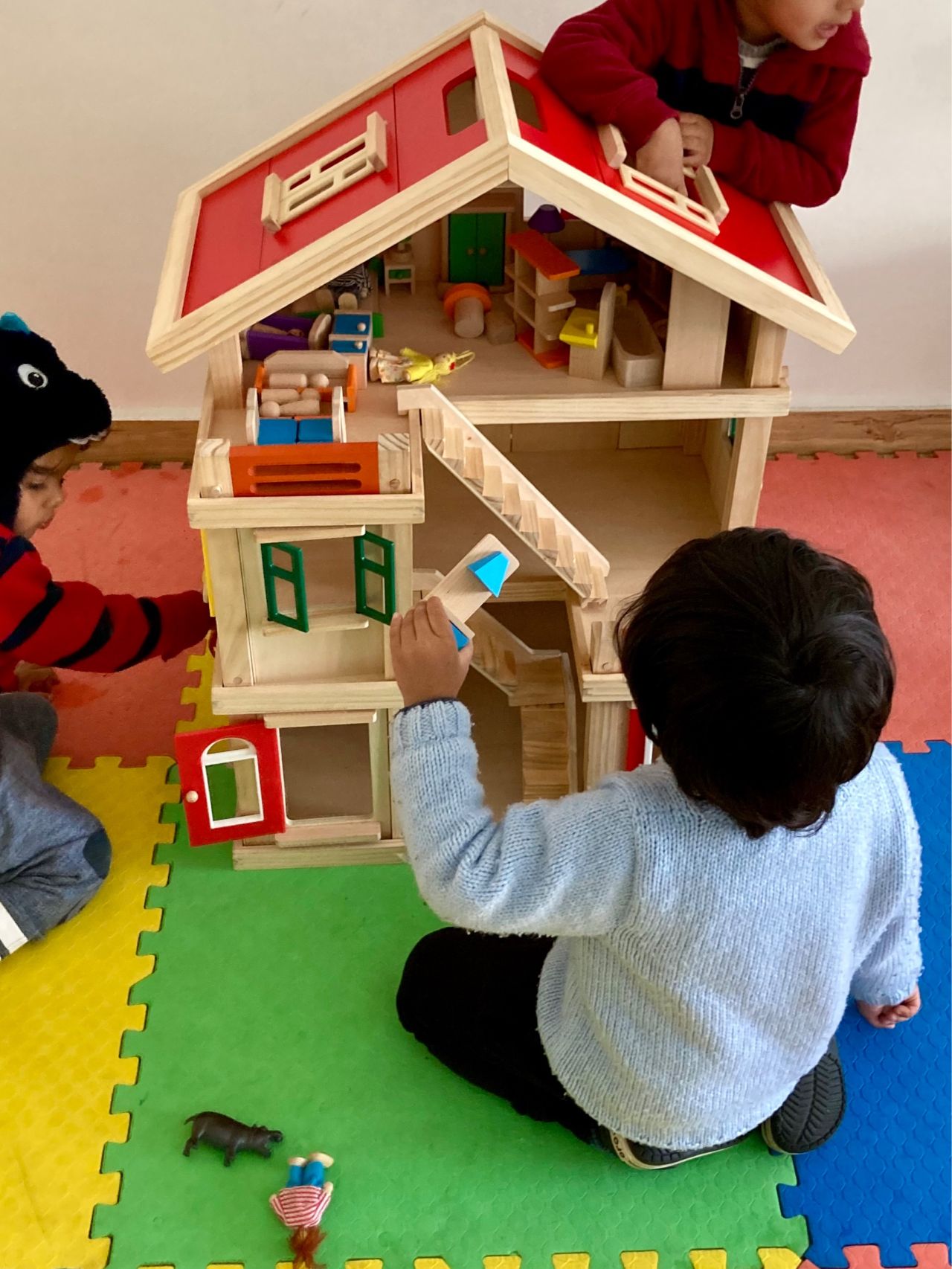
A while ago, I asked a toy shopkeeper a simple question:
“Toy toh toy hota hai... so what exactly is a girls' toy?”
He looked visibly uncomfortable.
I smiled outwardly—but inside, I wasn’t smiling.
Because despite all our claims of progress, many of us are still handing our
children quiet, coded messages about who they are allowed to be.
Not through speeches.
But through the things we buy.
Through the silences around what we don’t buy.
Through what we encourage—and what we subtly steer away from.
Gendered Play Is Still the Norm
We like to think we’ve moved beyond “blue is for boys” and “pink is for
girls.”
That we now understand gender equity isn’t about sameness—it’s about
opportunity.
And yet, even now, when parents ask me what toys they should get for their sons, kitchen sets and dolls never make the list.
More unsettling still are the so-called woke responses like,
“Oh, she’s not into dolls or all that princessy fluff.”
As if dolls, kitchen play, or caregiving aren’t valuable pursuits for a little
girl—or a little boy.
So I ask:
Why are we afraid of certain kinds of play?
Play Is Communication
Children are drawn to dolls not because of gendered marketing.
But because their earliest, most profound connection is with a
caregiver.
They’ve been fed, changed, rocked, held.
And they begin to model this in the only language they truly understand:
Play.

Play is a form of storytelling.
It tells us how they are being spoken to, what they are absorbing from the
world around them.
They’re drawn to kitchen sets not because they’ve been told to cook.
But because food is love.
And they hear conversations about it every day.
They see care enacted through meals, aromas, rituals.
The Brain at Play
Play is never random.
It is rich with repetition, innovation, and problem-solving.
When we observe children in deep, uninterrupted play, we are
watching early childhood education unfold in its most natural state.
This is how the brain learns.
It is the sandbox where:
- Empathy is practised
- Roles are explored
- Conflict is resolved
- Imagination takes shape
Now imagine—into this sacred space—we insert our labels:
- “Don’t sit like that. That’s not how girls sit.”
- “Don’t cry like a girl.”
- “This is not for boys.”
What Are We Teaching Them?
Imagine if boys were encouraged to replicate the care they receive at home.
Would they grow up more attuned to the emotional needs of others?
Would they embrace fatherhood with joy, take parental leave with confidence?
Imagine if girls were handed wild animals, construction sets, science kits,
and space to build.
Would they walk into labs, boardrooms, or coding bootcamps with less doubt and
more certainty?
Imagine if we chose clothes not by gender but by function:
- Can I hang upside down in this?
- Can I run in this?
- Can I paint, climb, explore in this?
These are the questions that matter.
Let the Child Lead
So what if we dropped the labels?
What if we trusted the child to show us how they want to play, how they want to learn, who they want to become?
What if we stopped asking,
“What toy is right for a boy or girl?”
and instead asked,
"What kind of world am I handing to this child?”
Because every choice we make—every toy we pick, every outfit we approve, every kind of play we celebrate—shapes the stories our children will one day believe about themselves.
More reflections on parenting, play, and early childhood education at Tinker Lab – The Nurturant: Instagram | @tinkerlab_nurturant