When the Environment Becomes the Teacher: Rethinking Learning Spaces in Early Childhood Education
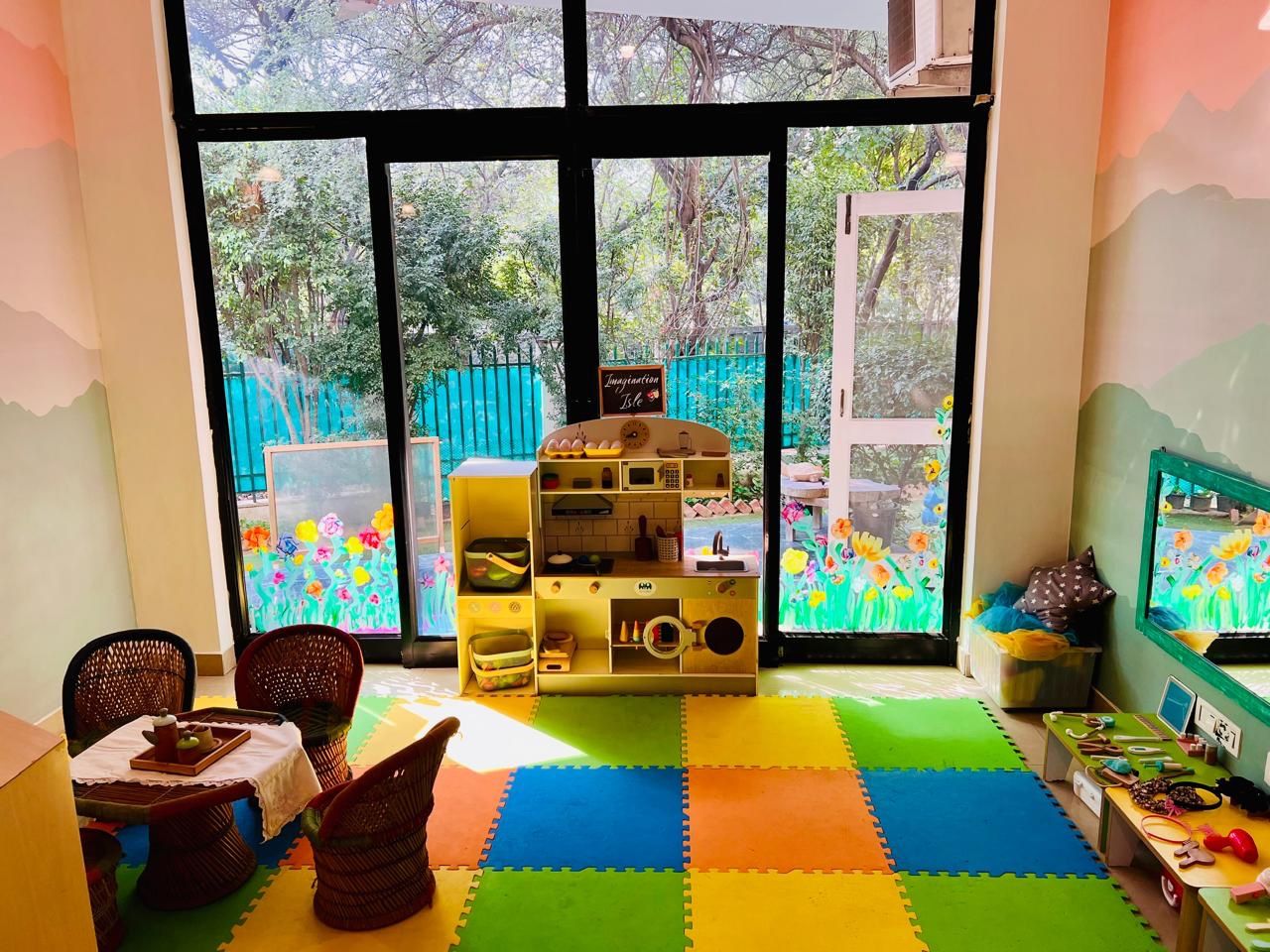
“The environment is the third teacher.”
You’ve probably heard this quote. It sounds poetic, profound—and vague. But what does it actually mean in the context of early childhood education? Not as a metaphor, but as a real, tangible practice?
Let’s begin by clarifying what it doesn’t mean.
Beyond Aesthetics: The Misunderstood “Environment”
It doesn’t mean having Instagram-worthy classrooms or neatly arranged rainbow flashcards.
It doesn’t mean chalkboard quotes about growth mindset framed above neatly labelled shelves.
If the environment is the third teacher, then the way a room is set up isn’t just aesthetic—it’s pedagogical.
It teaches. It guides. It either invites agency—or suppresses it.
A well-designed classroom does more than “look nice.”
- It regulates emotions.
- It tells a child whether they are trusted.
- It tells them whether they have to wait to be taught—or whether they are already seen as capable.
Whose Eyes Is the Classroom Designed For?
I’ve often been accused of not decorating our learning spaces with enough primary colours.
And my response is: For whom?
For the parent or the child?
I would any day choose presence for the children over performance for parents.
Because when no one is speaking, the room is.
Learning Through Space, Silence, and Material
In early childhood education, learning doesn’t happen only when something is explicitly taught.
It happens when a child has:
- the space to sit with a spark of an idea,
- the silence to tinker with that thought in their head,
- and the materials to try it out, fail, return, reshape.
This kind of learning can’t be forced. It must be
invited.
And the space does the inviting.
When the adult is not speaking, does the classroom say:
“Rush. Copy.
Obey.”?
Or does it say:
“Pause. Explore. What do you think?”
That’s the real role of the environment in early childhood education.
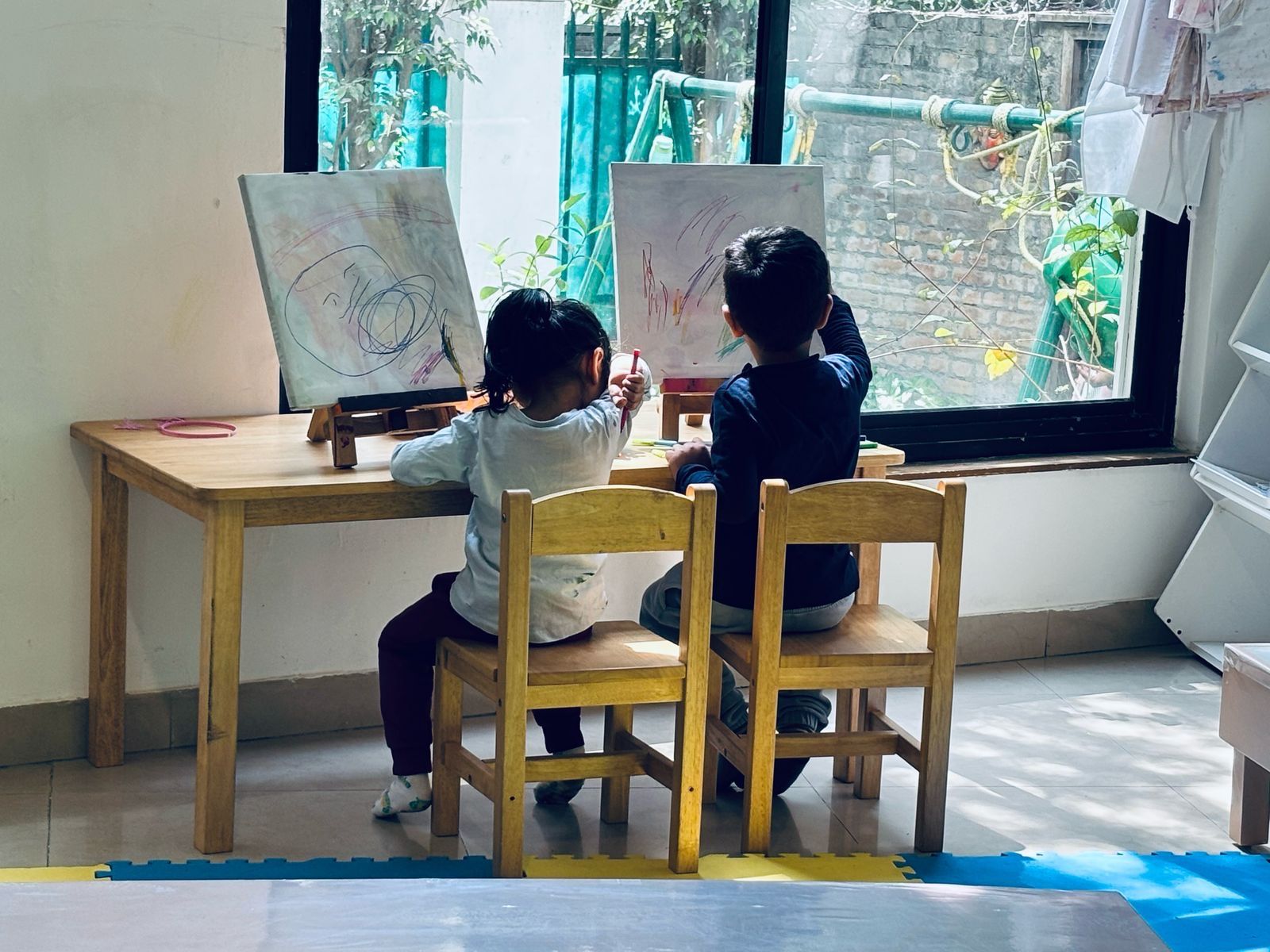
From Teacher to Enabler
When the space becomes the third teacher,
The adult transforms from “teacher” to “enabler.”
Not the one who fills every silence with instructions—
But the one who helps children simmer a thought and tinker with it.
Not the one who over-simplifies—
But the one who scaffolds.
Not the one who rescues—
But the one who notices when a child is about to give up, and offers just
enough to help them hold on.
That’s when a classroom transcends “decorated” and becomes “alive”.
And that’s when we stop romanticising quotes and start living them—not for
social media, not for applause,
But for the children who come here every day to learn.
Who ask us, without words:
“Will you teach me how to learn, not just what to learn?”
What Should Parents and Educators Really Be Asking?
So parents, look beyond the jazz and the jargon.
The real question to ask educators—and for educators to ask themselves—is:
What is the classroom teaching when the adult is not speaking?
Because in early childhood education, the environment isn’t a backdrop.
It’s a teacher.