Why Play Is Enough – Unlearning the Rush to Academics
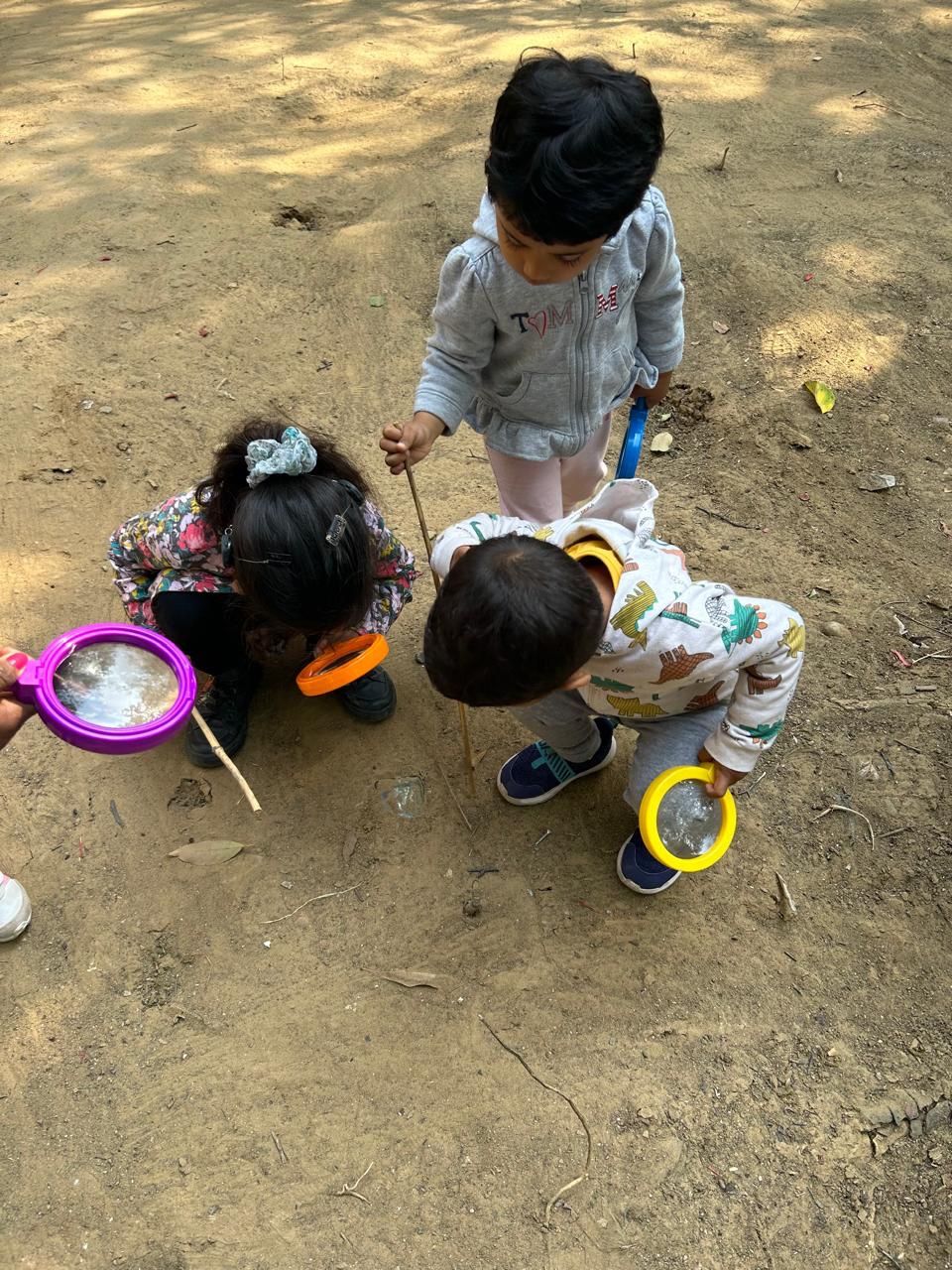
I have spent years in early childhood education , watching children learn—not through worksheets, but through wonder.
- I’ve seen a child spend an hour moving stones in a puddle, figuring out water flow.
- I’ve seen three-year-olds teach themselves turn-taking—not because an adult told them to, but by experiencing fairness and problem-solving.
- I’ve seen a child, lost in deep concentration, slowly thread a bead onto a string—immersed in learning.
And every day, I ask:
If this is how children are wired to learn, why are we forcing them to unlearn it?
Childhood Is Not a Race
Yet, we’ve turned it into one.
- We rush children into formal schooling when they need movement.
- We push early academics when their minds crave discovery.
- We structure play when play is nature’s best teacher.
Play has survived natural selection because it is essential for learning.
So why are we taking it away?
When Did Play Become a Luxury?
When India’s NEP 2020 raised the Class 1 entry age to six, it recognized early childhood (ages 3-8) as a unique developmental phase, led by play and inquiry.
This should have been a win for childhood.
Instead, schools used it to expand admissions:
- Pre-nursery for 3-year-olds became “essential” for success.
- Parents were warned their child would “fall behind” if they didn’t start early.
- Early years education was absorbed into formal structures, losing its identity.
This was not NEP 2020’s vision.
This was the commercialization of childhood.
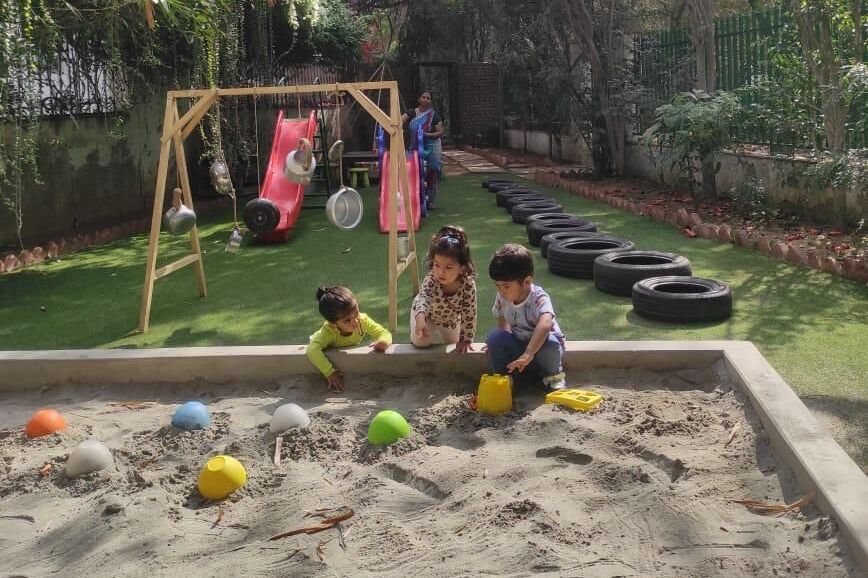
Rethinking “Readiness” for School and Life
The real question isn’t, “When should children start academics?”
It’s:
- Can formal schools nurture a child’s natural curiosity and learning pace?
- Or does deep learning require something more human, responsive, and respectful of childhood itself?
Because what stays with children isn’t handwriting practice or worksheets.
It’s how they felt when they struggled, explored, and made mistakes.
And that, more than anything, shapes who they become.
Discover Play-Based Learning at Tinker Lab